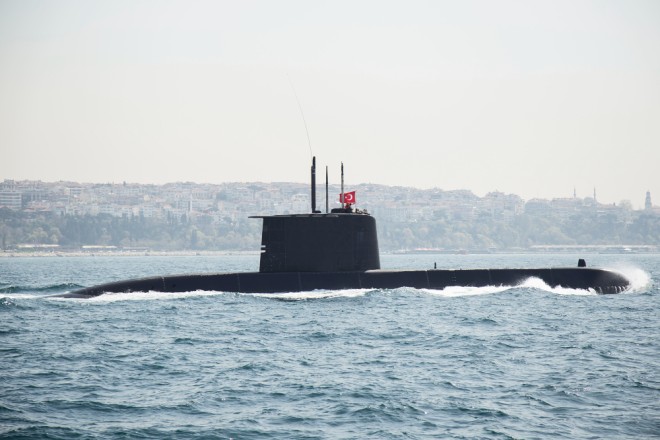
Canada is on the brink of a significant decision regarding its naval capabilities, as it prepares to declare its chosen supplier for a new fleet of up to 12 submarines. This procurement, anticipated to cost tens of billions of dollars, is poised to be one of the most substantial military acquisitions in Canadian history. The competition for this contract mainly pits South Korea’s Hanwha against Germany’s ThyssenKrupp Marine Systems (TKMS). Both contenders have met the Canadian Navy’s operational standards, but the focus has shifted to their marketing strategies, economic incentives, and the broader geopolitical consequences rather than just the technical merits of the submarines.
Hanwha has been aggressive in its promotion of the KSS-III submarine, employing a comprehensive advertising campaign across Canada. The company is touting its ability to deliver the submarines on a faster timeline and is highlighting the potential for industrial collaborations and economic investments within Canada. The KSS-III stands out for its larger capacity and its capability to launch ballistic or cruise missiles from vertical launch systems.
On the other hand, TKMS has leveraged its extensive experience as a supplier of conventional submarines to NATO allies. Their 212CD submarine is noted for its advanced stealth technology and offers seamless interoperability with other NATO nations, such as Germany and Norway, which are also procuring the same model. This aspect of NATO compatibility has been a significant point in TKMS’s favor, alongside the technical prowess of their submarines.
Defense analysts observe that the contest is fiercely competitive, with both companies offering compelling military, economic, and strategic advantages. In making its final decision, Ottawa is expected to consider not only the performance of the submarines but also factors such as industrial investments, job creation, alliances, and potential for lasting partnerships. These considerations are likely to weigh heavily in the balance as the government reaches a conclusion.
The procurement process has deviated from the norm, characterized by accelerated timelines and an unusual emphasis on economic benefits alongside defense needs. This approach underlines the Canadian government’s intent to balance military capability with economic growth and strategic alliances, marking a pivotal moment in Canada’s defense procurement strategy.