
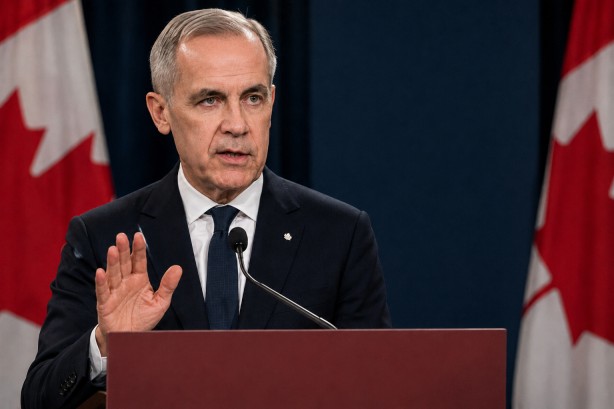
Canadian Prime Minister Mark Carney has firmly rejected a proposed trade agreement with the United States, citing concerns over the potential erosion of French language protections. The decision follows the breakdown of trade discussions between the two nations. Carney emphasized that certain French-language requirements in Quebec were deemed by U.S. negotiators as trade obstacles. However, he insisted that safeguarding the French language is a crucial aspect of Canadian rights and national identity, making the proposed trade terms unacceptable.
This trade dispute arises as new U.S. tariffs targeting Canadian exports have come into force, impacting approximately 5% of Canada’s shipments to the U.S. In response, Canada has unveiled plans to implement retaliatory measures by early September. Quebec, known for its stringent language policies, mandates extensive use of French in various sectors, including product labeling and media services. Provincial leaders have expressed support for Carney’s stance, highlighting the importance of preserving French language and culture as a top priority.
Meanwhile, U.S. President Donald Trump has continued his criticism of Canadian trade practices and has issued threats of imposing additional tariffs on automobiles, auto parts, and steel. U.S. Trade Representative Jamieson Greer, however, refuted the notion that French-language protections were a central issue in the negotiations. He clarified that the primary concerns revolved around regulations affecting streaming companies and Canadian content requirements.
The disagreement over the trade deal has further strained relations between the two long-standing allies, exacerbating existing trade tensions. As both countries gear up for the possibility of more economic measures, the impasse over language protections and trade policies remains a significant point of contention.