
Amid ongoing discussions about international alliances and trade agreements, Canada finds itself at the center of a potential shift in its relationship with Europe. The European Union has expressed interest in making Canada its first “associate member,” a proposal that has sparked a mix of support and criticism within the country.
The idea of closer ties with the EU was put forward by European Commission President Ursula von der Leyen, who highlighted the benefits of such a partnership. Prime Minister Mark Carney has shown openness to the proposal, suggesting that enhanced cooperation could offer expanded opportunities for Canadian youth and a deeper integration of financial services. Carney also assured that any agreement would be subject to parliamentary debate and approval, ensuring democratic scrutiny of the potential partnership.
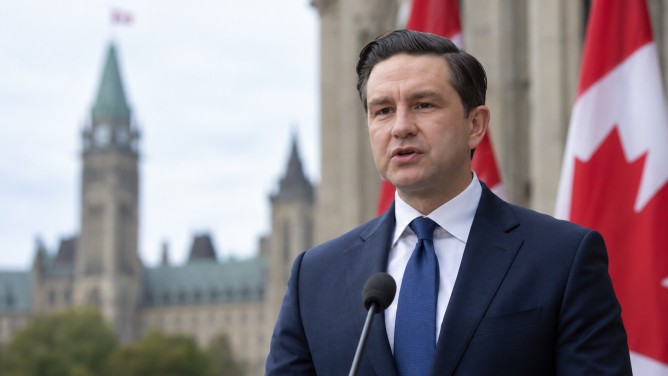
However, the proposal has not been met with unanimous support. Pierre Poilievre, leader of the Canadian opposition, voiced strong objections during a rally in Brantford, Ontario. He argued that Canada should not adopt European-style taxes, laws, and immigration policies, emphasizing that Canada is not seeking to become the “28th state of the European Union.” Poilievre’s stance underscores the existing free trade agreement and defense ties with Europe through NATO as sufficient for Canada’s current needs.
This debate comes at a time when global economic dynamics are shifting, and nations are reevaluating their international partnerships. As Canada weighs the potential benefits and drawbacks of becoming closer to the EU, the discussion highlights broader questions about national sovereignty and international cooperation.
As the conversation continues, it remains to be seen how Canadian lawmakers and the public will respond to the proposal. The decision will ultimately shape Canada’s future role on the international stage, balancing national interests with the opportunities presented by closer ties to Europe.