
The Trump administration accelerated Ukraine peace diplomatic initiatives while the president himself maintained firm boundaries for direct involvement. Trump announced he would meet with Putin and Zelensky only after negotiations produce what he characterized as a final or near-final agreement, positioning presidential engagement as the concluding element of the peace process.
The coordinated deployment of Steve Witkoff to Moscow and Dan Driscoll to Ukrainian officials represents the latest phase of intensive American diplomatic efforts. Administration sources indicate that the peace framework has evolved considerably from its controversial initial form, incorporating substantial input from both Russian and Ukrainian negotiators.
Trump’s social media statements emphasized what he described as remarkable progress, pointing to refinements made to proposals that initially drew fierce opposition. The president claimed that remaining disagreements have narrowed to just a few specific points, though he acknowledged these involve core issues at the heart of the conflict.
Ukrainian intelligence chief Kyrylo Budanov participated in Abu Dhabi discussions, signaling Kyiv’s continued substantive engagement despite public reservations about certain framework provisions. Ukrainian officials have consistently emphasized that territorial questions central to any lasting settlement require direct presidential-level discussions to resolve.
The fundamental diplomatic challenge persists in reconciling Russian demands for influence over Ukrainian affairs with Ukrainian insistence on sovereignty and territorial integrity. Former American diplomatic officials note that achieving the necessary compromises from both parties may prove exceptionally difficult without Trump’s direct personal mediation between Putin and Zelensky.
White House Intensifies Peace Efforts as Trump Sets Clear Engagement Boundaries
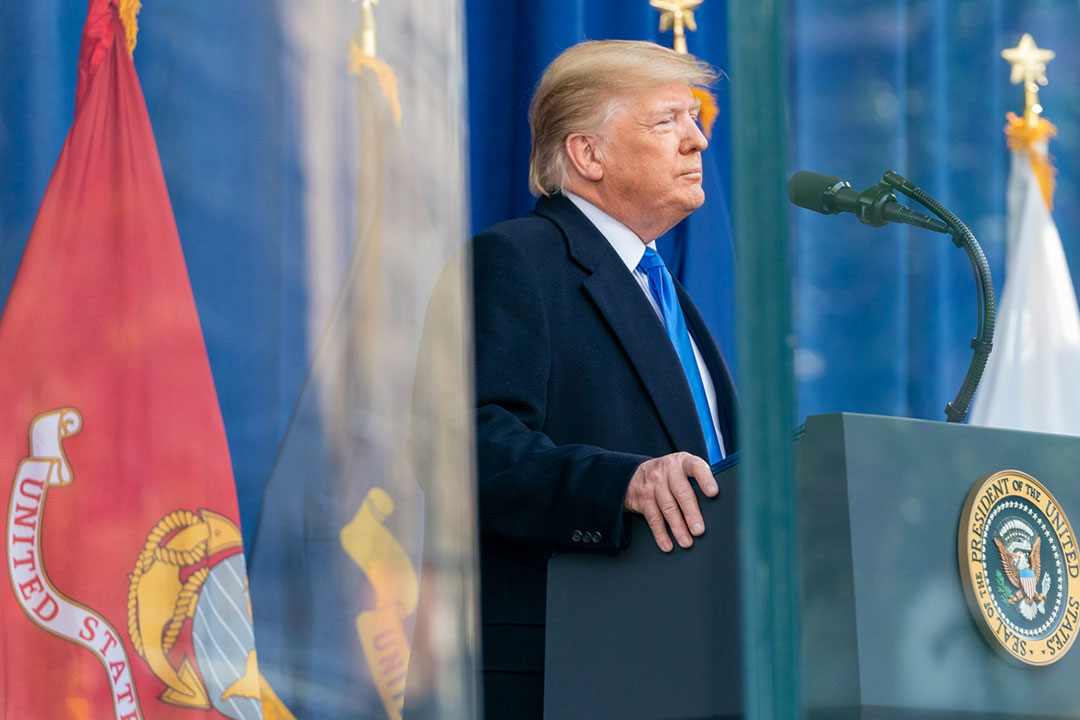
Picture credit: www.rawpixel.com
17