
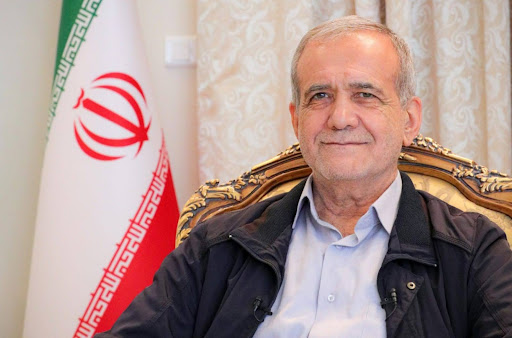
Pakistan is currently hosting a critical summit of foreign ministers in an attempt to resolve the ongoing war between Iran and the United States. Prime Minister Shehbaz Sharif has been working closely with Iranian President Masoud Pezeshkian to establish a foundation of “trust” for negotiations. This diplomatic push comes after a month of intense regional fighting and industrial damage.
The war has caused significant disruption in countries like Qatar, Kuwait, and Saudi Arabia. As these nations provide the infrastructure for U.S. military strikes, they have become the focus of Iranian retaliatory fire. This has led to a month of strikes and counter-strikes that have affected the entire regional landscape.
President Pezeshkian’s message to the Gulf was clear: do not let foreign powers run the war from your soil if you want “security and development.” He emphasized that regional prosperity is tied to an independent security policy that excludes foreign interference. This has been a recurring theme in Tehran’s recent communications with its neighbors.
The significance of Pakistan’s role as a mediator is being praised by leaders across the Muslim world. By bringing together the foreign ministers of Turkey, Egypt, and Saudi Arabia, Islamabad is attempting to build a regional consensus for peace. The success of these talks is vital for the stability of the global energy supply.
As the discussions in Pakistan begin, the goal is to create a roadmap for de-escalating the military tension. President Pezeshkian has expressed his support for Islamabad’s peace efforts, signaling that a diplomatic solution is possible. The international community is watching for any sign of a breakthrough in the hostilities.