
In a move that could escalate pressure on Moscow, the United States has allowed its sanctions waiver for Russian oil purchases to lapse. This decision comes amid Washington’s efforts to establish a new energy agreement with Iran, which aims to bring stability to global energy markets. The waiver had previously permitted limited transactions involving Russian seaborne oil, even as sanctions were in place against major Russian producers like Rosneft and Lukoil. With the waiver’s expiration, questions arise about whether this marks a return to full restrictions. Recent statements from officials suggest a pivot towards stricter enforcement.
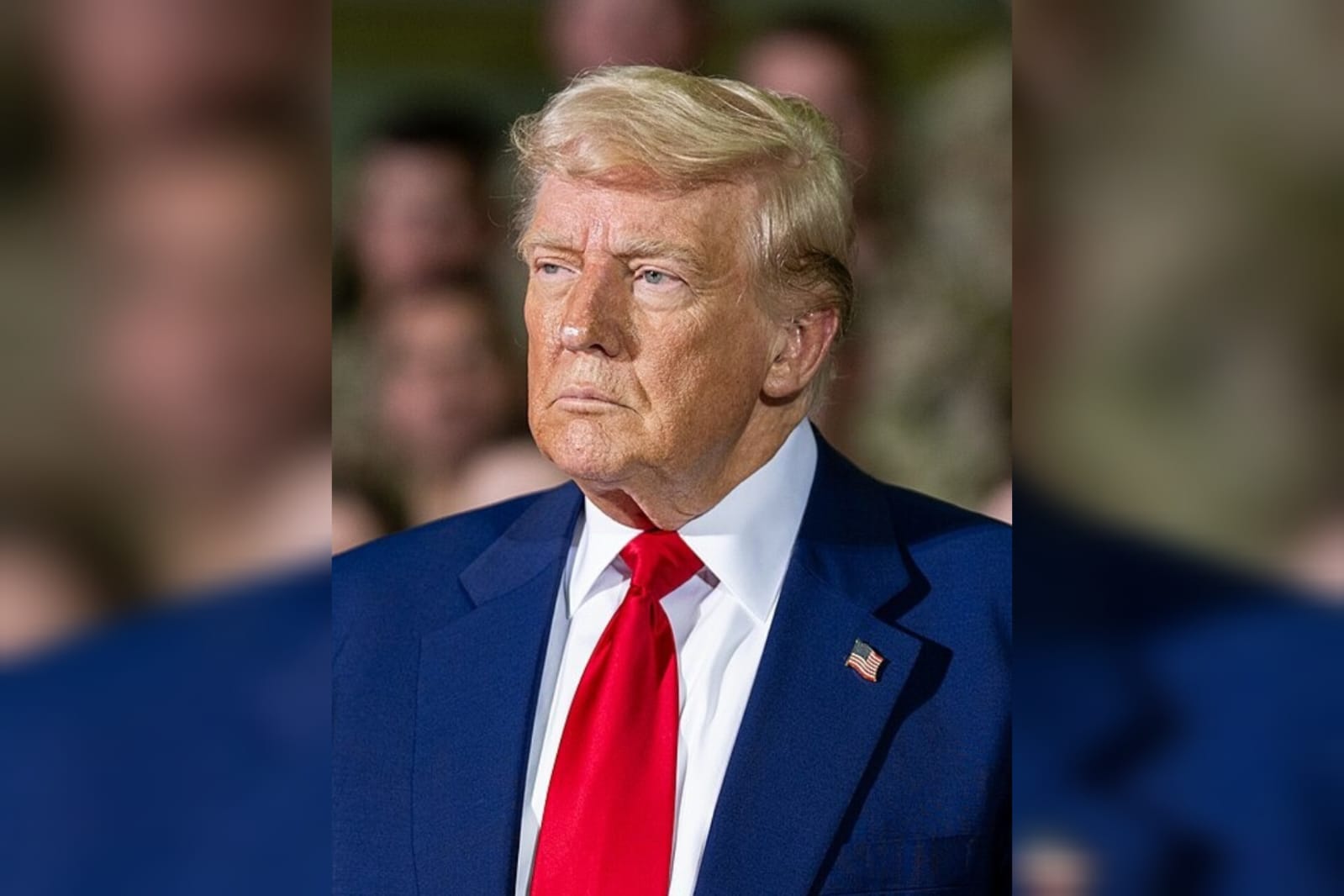
This policy shift is occurring as the Trump administration ramps up its strategy to reduce Russia’s oil revenue, a response to the ongoing conflict in Ukraine. President Donald Trump has pointed to falling global oil prices as part of the rationale for the move, citing increased supply from Middle Eastern countries as diminishing the necessity for such exemptions. The lapse of the waiver aligns with the timeline of a U.S.-Iran agreement, which is anticipated to reintroduce Iranian oil into the global market through eased sanctions and a 60-day negotiation window.
The U.S.-Iran deal could significantly impact global oil supply dynamics, as Iranian exports are expected to gradually ramp up once the agreement is in place. However, analysts warn that it may take some time to fully restore Iran’s production and shipping capabilities. As Iranian oil potentially reenters the market, the combination of these new barrels and the more stringent restrictions on Russian exports could lead to a notable shift in global oil balances in the coming months.
While the White House has not specified if additional sanctions will follow, officials have highlighted that energy prices, market stability, and geopolitical considerations will continue to play a crucial role in shaping future policy directions. The interplay between these developments indicates a broader realignment of energy policies, aimed at reshaping global supply flows and mitigating price volatility.