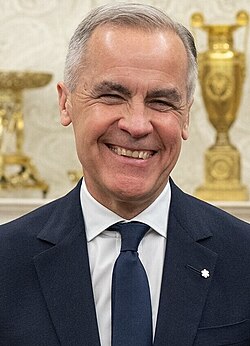
As tensions simmer in the Strait of Hormuz and questions loom over the U.S.’s commitment to NATO, Canadian Prime Minister Mark Carney delivered a poignant message at the European Political Community (EPC) meeting in Yerevan, Armenia. As the first non-European leader to attend the EPC, Carney emphasized Europe’s potential to spearhead the reconstruction of a new international order. He expressed that Europe should not bow to a “more transactional, insular and brutal world” and suggested that the era of American leadership might be waning. “Gatherings such as these point to a better way forward,” Carney stated, emphasizing the value of Europe’s strength in defending a rules-based international order amidst global upheaval.
The EPC meeting in Yerevan marks the eighth of its kind since the organization’s inception, strategically held to underscore Europe’s determination to keep Armenia from falling back into Russia’s influence. The meeting occurs amid heightened concerns about U.S. reliability in NATO, following former President Donald Trump’s unexpected decision to withdraw over 5,000 troops from Germany. This move has intensified European fears about the stability of transatlantic alliances. British Prime Minister Keir Starmer, speaking at the summit, acknowledged the increasing tensions within these alliances, noting that how leaders respond to these challenges will likely shape the geopolitical landscape for years to come.
French President Emmanuel Macron echoed the sentiment by highlighting Europe’s proactive steps in taking charge of its defense and security while Ukrainian President Volodymyr Zelenskyy underscored the critical juncture Russia faces. Zelenskyy urged the importance of maintaining sanctions against Russia unless it opts for diplomacy over war expansion. He insisted that any diplomatic efforts must include European participation at the negotiating table. Meanwhile, Trump’s inclination to pull troops from Italy and Spain, in addition to Germany, has raised further alarms, as these moves are perceived as a reaction to insufficient support from these countries for U.S.-Israeli operations against Iran.
As of late 2025, the distribution of U.S. troops in Europe included 36,436 in Germany, 12,662 in Italy, and 3,814 in Spain. The EU’s foreign policy chief, Kaja Kallas, remarked on the surprise timing of the troop withdrawal announcement, stressing the need to bolster the European pillar in NATO. When asked if Trump’s actions were intended to penalize German Chancellor Friedrich Merz for his remarks on U.S.-Iran negotiations, Kallas refrained from speculating on Trump’s motivations, noting, “I don’t see into the head of President Trump, so he has to explain it himself.” Despite skipping the summit, Merz expressed his ongoing commitment to the transatlantic relationship and collaboration with Trump.
NATO chief Mark Rutte acknowledged some U.S. disappointment over Europe’s hesitance to support the Iran war but noted that Europe has responded by providing logistical support and positioning key assets closer to conflict zones. These developments signal Europe’s increasing readiness to assert its role on the global stage while navigating the complexities of its longstanding alliance with the United States.