
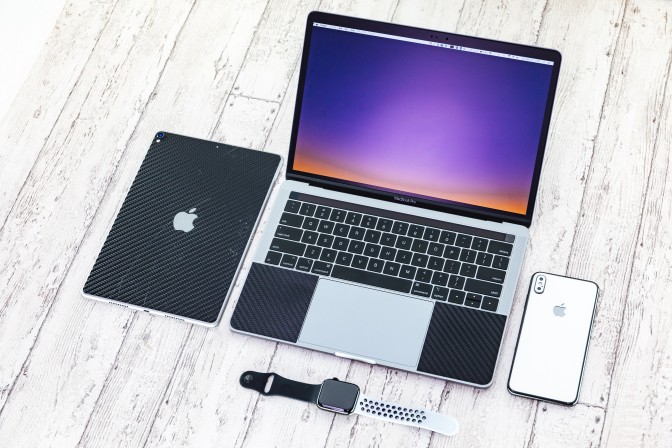
In response to escalating costs for memory and storage components, Apple has raised the prices for a range of iPad and MacBook models in Australia. The tech giant attributes these increases to the global surge in artificial intelligence demand, which has significantly impacted the availability and pricing of these crucial parts. As a result, some of Apple’s devices have seen price hikes of more than 20%, presenting a substantial financial adjustment for consumers purchasing these products.
The price of the MacBook Air with a 13-inch display has soared from $1,799 to $2,099, marking a substantial jump for this popular model. Similarly, Apple’s more affordable MacBook options haven’t been spared from these adjustments. Other devices in Apple’s lineup, including the standard iPad, iPad mini, iPad Air, and iPad Pro, have all experienced similar price increases, reflecting a broader trend across the company’s product range.
Apple has indicated that it managed to keep production costs stable for a period, but the rapid escalation in component prices has now necessitated these price revisions. The company pointed out that the costs for memory and storage chips have surged unexpectedly, impacting their overall manufacturing expenses. This trend is largely attributed to the competitive race among technology companies to secure chips essential for building AI data centers, which has led to a scarcity of memory components for consumer electronics and driven up costs industry-wide.
While the price increases have notably affected iPads and MacBooks, Apple’s iPhone series remains unaffected for the time being. However, market analysts predict that the company’s future smartphone models might also see price adjustments, as the challenge of rising component costs persists. Apple’s situation is not unique; other tech firms have similarly been compelled to raise their device prices in response to the escalating costs of memory and storage components.