
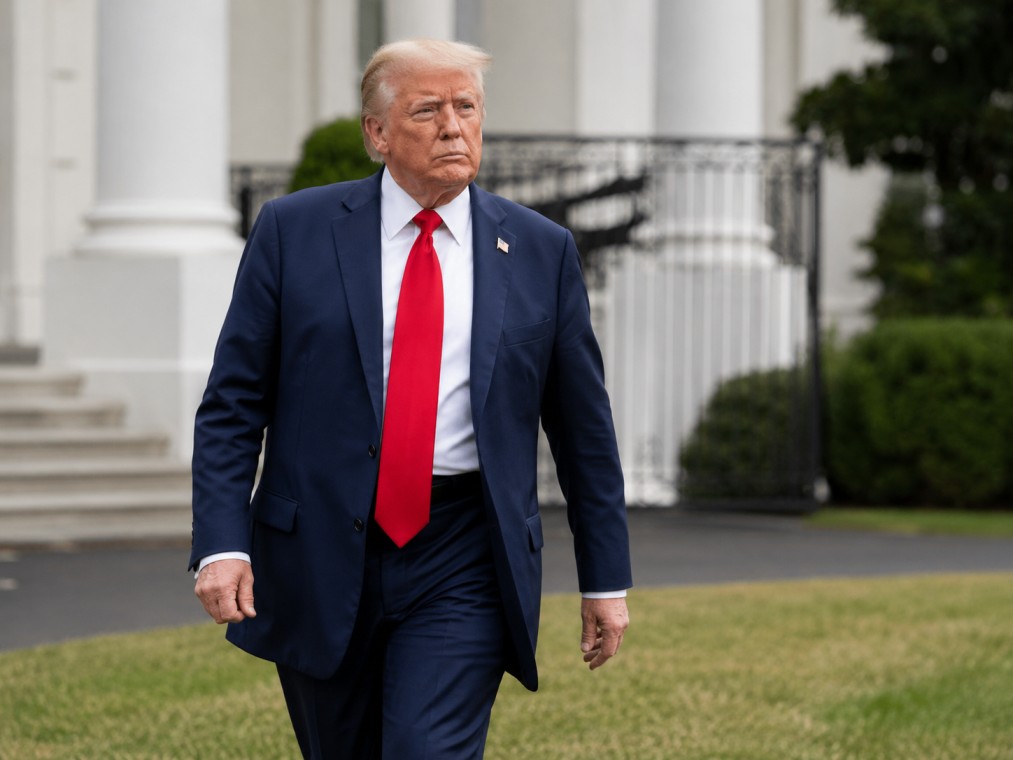
In a significant shift in US-Iran relations, President Donald Trump has announced the end of the ceasefire agreement with Iran, marking a potential escalation in hostilities between the two nations. During his attendance at the NATO Summit, Trump declared that negotiations with Tehran were no longer deemed productive and suggested that the United States might engage in further military actions against Iranian targets. This development follows a series of US military strikes on Iranian positions.
The recent American military operations targeted a range of strategic Iranian military assets, including air defense systems, command-and-control hubs, coastal radar installations, anti-ship missile capabilities, and several boats belonging to the Islamic Revolutionary Guard Corps (IRGC) positioned in the vicinity of the Strait of Hormuz. US officials stated that these strikes were a response to attacks on three commercial vessels navigating through this critical maritime corridor.
Iran’s reaction to the US military engagements was swift, as it launched retaliatory attacks on American military installations located in Bahrain, Kuwait, and other sites across the Gulf. This exchange of military actions has sparked concerns about the potential for a wider regional conflict, further exacerbating the fragile security landscape surrounding the Strait of Hormuz, an essential channel for global energy shipments.
The collapse of the ceasefire framework has cast doubt on ongoing diplomatic efforts aimed at stabilizing the situation and ensuring the safety of maritime operations in the region. As tensions continue to mount, the international community watches closely, apprehensive about the implications of these developments for both regional and global stability.