
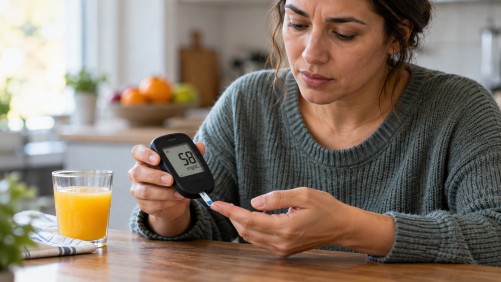
While managing diabetes often centers around controlling high blood sugar, it’s crucial to recognize that low blood sugar, or hypoglycemia, can pose significant health risks as well. This condition is particularly relevant for individuals taking certain diabetes medications, making awareness and prompt action vital.
Hypoglycemia is generally defined by blood glucose levels dropping below 70 mg/dL. Symptoms can range from mild to severe and include sweating, trembling, hunger, dizziness, weakness, irritability, a rapid heartbeat, blurred vision, and difficulty concentrating. Severe cases may lead to confusion, seizures, or even loss of consciousness.
Several factors can contribute to low blood sugar, such as skipping meals, increased physical activity, alcohol consumption, and modifications in diabetes medication. Additionally, vomiting, or changes in kidney or liver function, can heighten the risk. Older adults and those with certain health conditions may be more susceptible to complications from hypoglycemia, underscoring the importance of regular monitoring and consulting with healthcare professionals.
When blood sugar levels drop, the 15-15 rule is a common approach if the person is conscious and can safely swallow. This involves consuming about 15 grams of fast-acting carbohydrates and rechecking blood glucose after 15 minutes. If levels remain low, the process may need repeating. Following stabilization, consuming a meal or longer-acting carbohydrate can help prevent future episodes. In severe cases where the person is unable to swallow or is experiencing a seizure, immediate medical assistance is necessary.
Diabetes management is more than just monitoring glucose levels; it requires a holistic approach considering meal timing, exercise, medication schedules, and changes in overall health. Individuals who frequently experience low blood sugar episodes should discuss them with their healthcare provider to adjust their treatment plan safely. Maintaining a record of medications and tracking when hypoglycemic events occur can help identify triggers and improve management strategies.
The ultimate goal in diabetes care is to maintain balanced glucose control while minimizing the risk of dangerous lows. Recognizing early symptoms, adhering to medication guidelines, maintaining regular meals, and responding appropriately to hypoglycemic episodes are essential steps for people with diabetes. Those experiencing frequent or severe hypoglycemia should seek medical advice to reassess their treatment plan and ensure their condition is managed safely.