
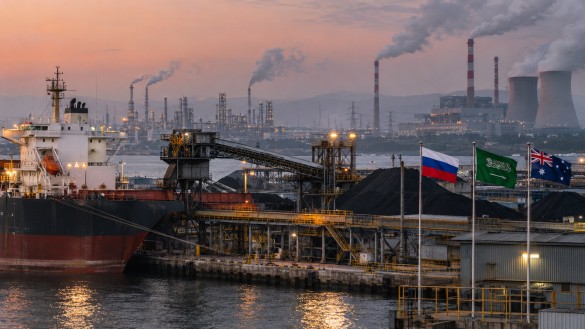
A recent analysis has identified Russia, Saudi Arabia, and Australia as the leading historical exporters of carbon dioxide emissions through fossil fuel exports, dating back to 1850. The study highlights the significant impact these countries have on global emissions beyond their territorial borders. Russia tops the list with over 70 gigatonnes of CO2 emissions from exported fossil fuels up to the end of 2025. Saudi Arabia follows with around 60 gigatonnes, and Australia ranks third with over 25 gigatonnes.
This analysis shifts the focus from traditional assessments, which allocate emissions to the countries where fossil fuels are consumed, to the nations that extract and export these resources. The findings underscore the broader responsibility of fossil fuel-exporting countries in contributing to climate change.
Australia’s role as a major CO2 exporter is particularly noteworthy as it hosts the upcoming United Nations climate summit, COP31, in Türkiye. Despite its involvement in international climate discussions, fossil fuels remain a substantial part of Australia’s export economy, accounting for about 40%. The country has yet to set a definitive end date for fossil fuel exports, drawing criticism from climate experts who warn that new coal and gas projects could hinder global climate goals.
The study also reignites the debate over financial accountability for climate change, with environmental groups urging major fossil fuel producers to take greater responsibility for climate-related damages and to support the transition to cleaner energy sources. Meanwhile, Saudi Arabia challenges the attribution of emissions from its exported oil, suggesting that responsibility should also lie with importing countries that decide on the use and management of these fuels.
These findings have intensified calls for stronger international commitments to reduce reliance on fossil fuels and to accelerate the shift toward sustainable energy. The analysis serves as a reminder of the complex global dynamics involved in addressing climate change and the need for collaborative action among nations.