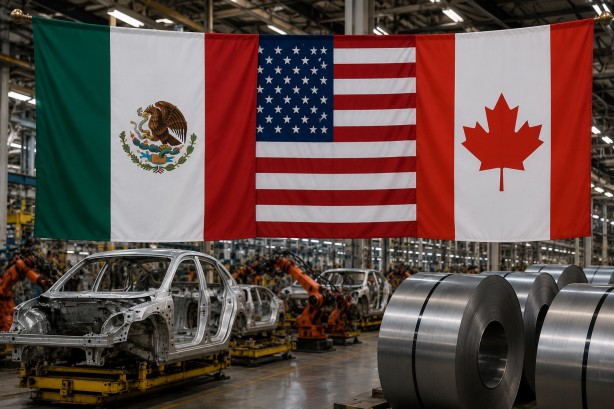
As the review of the US-Mexico-Canada Agreement (USMCA) approaches, Mexico plans to press the United States to eliminate tariffs on steel and automobiles. The Mexican government is also aiming to negotiate for enhanced investment protections, economic security initiatives, and measures that would deter unilateral trade actions. These priorities come amid ongoing discussions about the future of the trade pact.
President Claudia Sheinbaum has expressed optimism about the prospect of renewing the USMCA for an additional 16 years, despite the U.S. opting for annual reviews of the agreement until 2036. Mexico has consistently flagged several trade issues with Washington, advocating for a balanced approach to trade that enhances North American economic integration.
The USMCA, a critical trade pact for the region, remains operational, but the presence of tariff disputes and the uncertainty brought about by annual reviews have created challenges for businesses and investors. These factors have heightened concerns about stability and predictability in trade relations across North America.
Mexico’s call for the removal of tariffs reflects broader concerns about maintaining competitive trade relationships and fostering a cooperative economic environment. The country is actively seeking to ensure that the trade framework supports robust economic ties and reflects mutual interests in the region.
In light of these developments, the upcoming review of the USMCA will be pivotal in determining the future trajectory of trade relations between Mexico, the United States, and Canada. The outcome of these discussions will have significant implications for businesses and economic stakeholders throughout North America.