
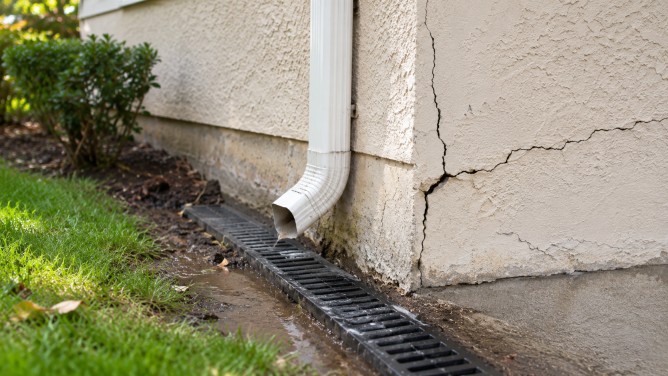
Ostanes Engineering has identified inadequate drainage and surrounding ground conditions as key factors in the investigation of recurring cracks within residential properties. A recent structural inspection of a low-set brick veneer home revealed several issues, including internal cracking, standing water, and saturated soil, which may necessitate further examination.
The inspection was prompted by a request from the property owner’s representative after a hallway crack reappeared following an earlier repair. Conducted during rainy and cloudy weather, the assessment found hairline cracks around window and door frames, a more prominent hallway crack, gaps along cornices, and exposed slab edges. Notably, the home’s external brick walls did not exhibit significant cracking.
Among the significant observations, water accumulation around the building stood out, with surface water pooling beside the property and in the yard, while multiple locations showed saturated ground. The inadequate surface drainage was highlighted as the primary structural concern, with moisture changes near the footing zone considered a possible contributor to seasonal ground movement and internal damage. However, the inspection did not definitively establish a ground movement mechanism, and the recurring hallway crack could not be diagnosed based solely on its visible width.
The assessment was limited to a visual inspection and did not include excavation, footing exposure, level surveys, geotechnical investigations, plumbing tests, or removal of internal finishes. These limitations are crucial for interpreting the findings, as visible symptoms do not always reveal the underlying cause. Recommendations included hiring a licensed plumber or experienced drainage contractor to enhance surface water management, reviewing ground levels near slab edges, and considering subsurface drainage if surface improvements prove inadequate. The report advised against proceeding with cosmetic repairs before addressing drainage issues.
For the affected property, cosmetic work was suggested only after drainage improvements and an observation period of six to twelve months. Instead of applying another surface patch, a local replacement of the damaged hallway plasterboard section was recommended. Further engineering assessment was advised if cracks widened, reopened, or appeared elsewhere, especially if accompanied by sticking doors or visible building distortion.
Ostanes Engineering offers structural crack and movement inspection services through its website, allowing homeowners and property managers to submit property details, photographs, previous reports, and a history of the problem to determine an appropriate inspection scope.
About Ostanes Engineering
Ostanes Engineering provides structural inspections, pre-purchase assessments, crack and movement investigations, and forensic and dispute reporting across Brisbane and South East Queensland.
Media enquiries and inspection requests: Ostanes Engineering
Derafsh Pty Ltd
Ostanes Engineering
+61 411 631 777
[email protected]
Legal Disclaimer:
The information contained in this article has been provided by independent third-party contributors, clients, or content partners. We do not independently verify the accuracy, completeness, legality, ownership, licensing, or reliability of submitted content, including text, images, videos, trademarks, or other media materials. The submitting party is solely responsible for ensuring that all content, including images and media assets, complies with applicable copyright, trademark, licensing, and intellectual property laws. We disclaim liability for any unauthorized use of copyrighted or proprietary materials by third parties. If you believe that any content published on this platform infringes your intellectual property rights, kindly contact the author above for prompt review and resolution.