
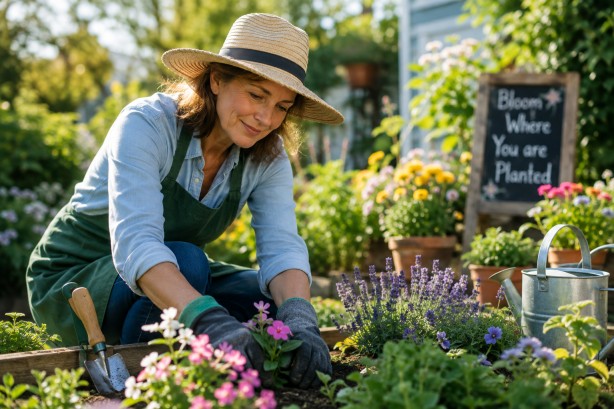
Engaging in gardening is often perceived as a soothing pastime, yet its impact could extend far beyond merely cultivating a picturesque garden. This activity merges physical exercise, exposure to the outdoors, sensory engagement, and a reconnection with nature, all of which collectively foster improved well-being. Studies have identified a variety of physical and mental health advantages linked to gardening, making it a beneficial component of a healthier lifestyle.
Cognitive health stands to gain significantly from regular gardening. This activity involves physical movement, strategic planning, and the engagement of various senses. Tasks such as selecting appropriate plants, adhering to care schedules, and handling soil offer ongoing mental stimulation. Research indicates that regular participation in gardening can enhance cognitive function, likely due to its combination of physical exertion, mental engagement, and mood enhancement.
Another key benefit of gardening is its ability to alleviate stress. The presence of greenery fosters a serene environment, helping to ease stress levels. Activities including watering, pruning, and planting not only provide a distraction from daily pressures but also immerse individuals in nature. Reduced stress is closely tied to improved general health, positioning gardening as a valuable element in a balanced lifestyle.
Gardening not only promotes mental well-being by offering a sense of purpose and achievement but also encourages more time spent outdoors, away from daily distractions. The act of nurturing plants can boost mood and alleviate symptoms of anxiety and depression, contributing to overall life satisfaction. Additionally, gardening is an effective way to incorporate physical activity into daily routines, involving various muscle groups through tasks like digging, planting, and carrying, which increases daily movement for those accustomed to sedentary lifestyles.
Time spent gardening naturally leads to increased outdoor exposure, allowing for sunlight absorption, which is crucial for vitamin D production—a vital component for bone health and immune function. While sun exposure should be balanced with adequate protection, the combination of physical activity, outdoor time, stress relief, and healthier habits associated with gardening may contribute to long-term health benefits. Particularly among older adults, gardening has been linked with better cardiovascular health and a reduced risk of lifestyle-related conditions, supporting healthier aging and possibly extending longevity. Gardening, regardless of space or expertise, offers a simple yet profound way to integrate physical activity, outdoor exposure, and mental relaxation into everyday life.