
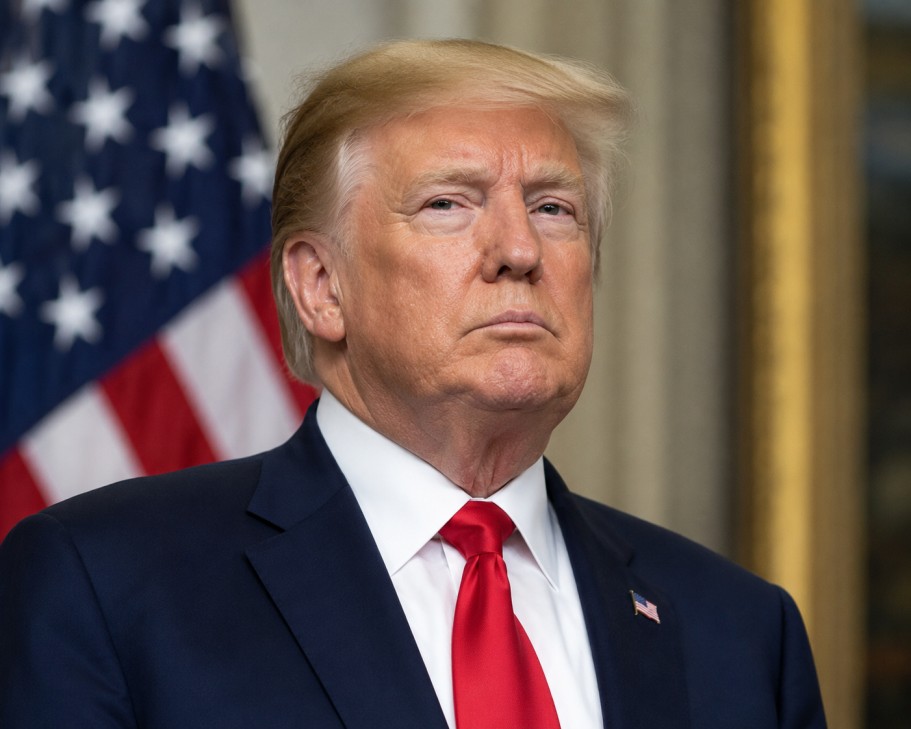
The ambitious Gaza recovery initiative initially planned as a comprehensive reconstruction effort has been downsized to a more modest pilot project near Rafah in southern Gaza. This downsizing is overseen by the Board of Peace, which is backed by US President Donald Trump. The scaled-back plan aims to provide temporary housing solutions for a significant number of displaced Palestinians, with the assistance of a Palestinian civilian administration and a locally trained police force. An international stabilization force is also a part of the initiative, ensuring security and order.
Despite these plans, the project faces a prolonged timeline with officials indicating that it may not be operational until the end of 2026. Preparatory work is currently focused on developing logistics infrastructure near the Kerem Shalom crossing, while the actual construction of the pilot camp remains on hold. The progress is contingent on political and security conditions, including the outcome of Israel’s elections scheduled for later this year, which could influence the project’s future.
The initiative has encountered numerous obstacles, including continuing hostilities in the region, restrictions on humanitarian access, and disagreements over critical aspects such as reconstruction plans, security measures, and governance of Gaza moving forward. These factors have contributed to significant delays in the project’s advancement.
Diplomatic efforts are ongoing to resolve these challenges, with a focus on securing necessary funding, establishing an international security force, and negotiating agreements to ensure humanitarian access and long-term stability in the region. Nonetheless, there remains considerable uncertainty regarding the project’s financing and implementation, compounded by the complex political landscape surrounding Gaza’s future.