
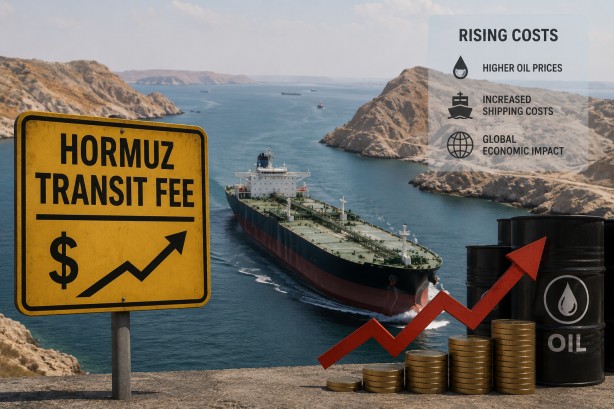
In a move that could significantly impact the global energy trade, Iran and Oman are considering imposing transit fees on ships traversing the Strait of Hormuz. This strategic maritime route is crucial as it facilitates the transportation of about 20% of the world’s oil consumption. The proposed fee is approximately $1 per barrel of oil, which would equate to around 1.2% of the oil’s value, given Brent crude’s current trading price near $86 per barrel. If implemented, this fee structure could transform the Strait of Hormuz into one of the most lucrative maritime revenue generators in the world.
Experts suggest that such a levy could generate about $6.8 billion annually, based on current shipping volumes, potentially outstripping the revenue from Suez Canal transit fees. While the fee might seem relatively small, its implications could ripple across various sectors, potentially leading to increased fuel prices, higher freight rates, and elevated costs for imported goods globally. This could also have a knock-on effect on air travel expenses, as airlines adjust to the new cost dynamics.
Advocates for the fee propose that a clear and consistent fee structure might be more beneficial than the economic disruptions that could arise from any closures or interruptions in the Strait, which have previously led to spikes in energy prices and heightened market volatility. Yet, concerns about the long-term enforcement and stability of this proposed fee agreement linger among stakeholders.
In response to the potential rise in transit costs, Gulf nations are looking to diversify their export routes. The United Arab Emirates has been investing in infrastructure projects like pipelines and ports that bypass the Strait of Hormuz, while Saudi Arabia is increasingly utilizing its East-West pipeline to reduce dependence on this key waterway. Analysts speculate that these infrastructure developments could gradually decrease the volume of oil shipped through the Strait, which may, in turn, reduce the long-term revenue impact of any future transit fees.