
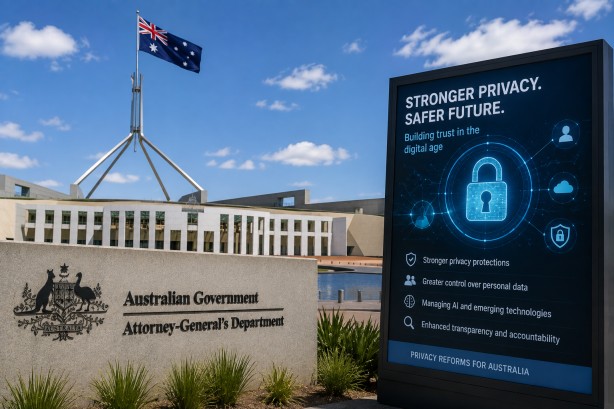
Amid the burgeoning use of technologies like artificial intelligence, facial recognition, and connected devices, Australia has unveiled significant proposals to overhaul its privacy laws. The reform agenda seeks to enhance the protection of personal information by implementing a fair and reasonable test. This measure will compel organizations to provide justifications for their collection and utilization of personal data. Additionally, the proposed changes aim to empower individuals with a stronger right to request the deletion of their personal information, particularly from large digital platforms, and will introduce more stringent criteria for obtaining meaningful consent.
The Australian government is also advocating for heightened safeguards concerning the use of personal data in targeted advertising, data trading, and AI-driven activities. These initiatives are designed to ensure Australians have greater control over how their personal data is gathered, used, and disseminated. This push for reform comes against a backdrop of heightened privacy concerns, with government research indicating strong public support for increased control over personal data and the establishment of a legal right to request its removal.
Part of the proposed legislative changes also tackles the domain of facial recognition technology. This follows a period of intensified regulatory examination regarding the application of biometric information in publicly accessible venues, such as retail spaces. The scrutiny of these technologies underscores the need for a robust regulatory framework to manage the privacy implications associated with biometric data collection and usage.
The Australian government has initiated a consultation process on these proposed legislative changes, inviting public and stakeholder submissions until September 18, 2026. This period of consultation is a crucial component of the legislative process, allowing for comprehensive consideration and potential refinement of the proposals before any finalization occurs.